
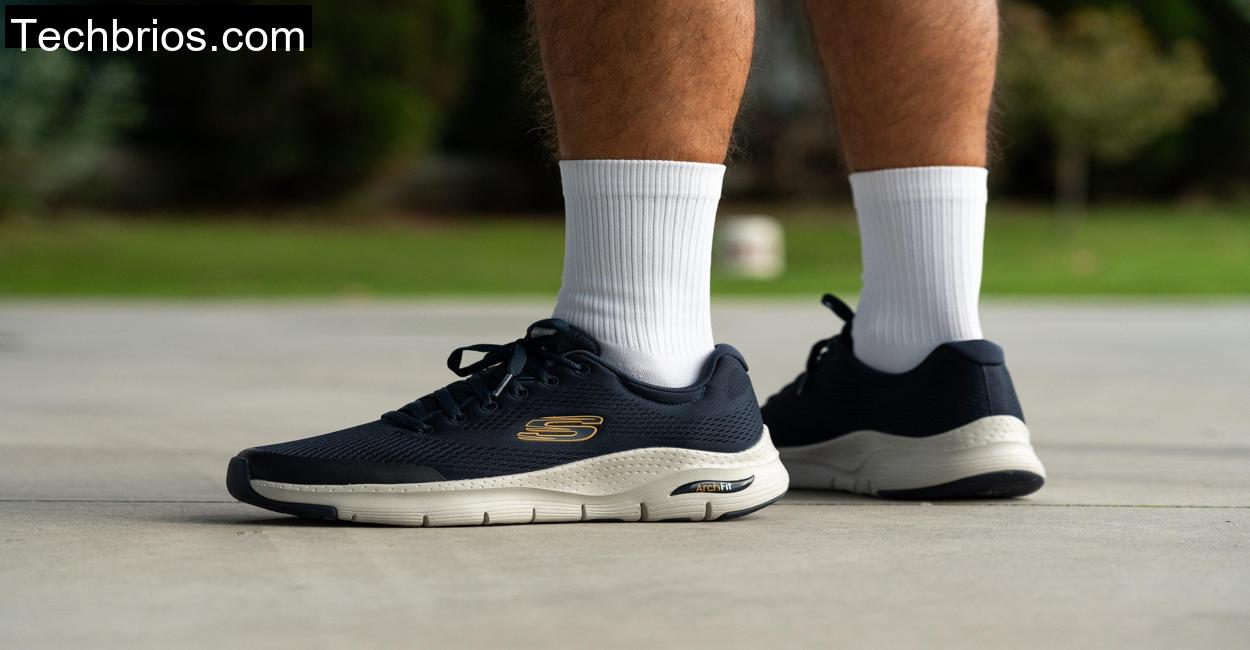
When it comes to walking shoes, comfort is king, but support, durability, and versatility are part of the royal court too. I recently had the opportunity to rigorously test the Skechers Arch Fit walking shoes at one of the most iconic sports venues in India, Green Park Stadium, Kanpur. Known for its lush green outfield, unpredictable weather shifts, and hard concrete peripheries, Green Park offered the perfect mix of terrains to put the Skechers Arch Fit through its paces.
Unlike a sterile lab environment, the stadium provided a real-world setting where I could evaluate not just the cushioning and support, but also traction, breathability, and long-term comfort. This blog isn’t just a review, it’s a story of how the Skechers Arch Fit performed where it truly matters: on the ground.
Setting the Scene at Green Park Stadium
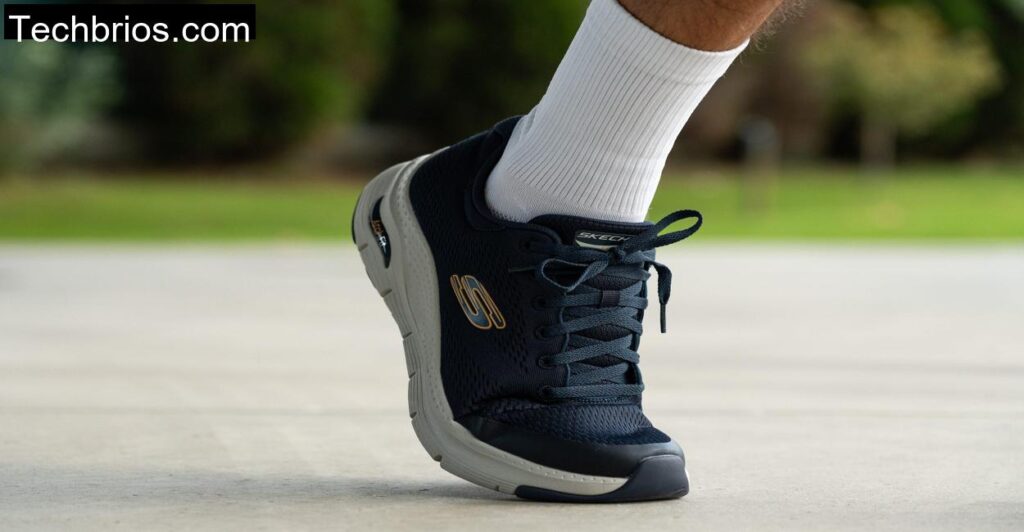
Before diving into the shoe’s specifics, let me paint the picture of the testing ground. Green Park Stadium is an arena that breathes history. While it’s primarily known for hosting cricket matches, the grounds also serve as a multipurpose training venue for athletes. The outer perimeter features concrete jogging tracks, while the inner field consists of a well-maintained grassy surface. The transition from turf to concrete and back provided the ideal testbed for a walking shoe.
The weather during testing was moderately warm, around 22°C (72°F), with a slight overcast sky. There was no rain, but the outfield had patches of dampness from early morning dew. I spent close to seven hours in the stadium, walking over 15 miles across different surfaces, elevations, and conditions. My goal was to simulate a full day of activity, something many users of walking shoes like the Skechers Arch Fit would relate to.
First Impressions and Fit
Right out of the box, the Skechers Arch Fit gave off a vibe of plush comfort. The mesh upper looked breathable, and the insole felt like a memory foam mattress. Once I slipped them on, the fit was true to size. I wear a US 9, and the shoe hugged my foot just right, neither too snug nor too loose.
The toebox offered a medium width, which is perfect for most feet. Over several hours of wear, I experienced zero hotspots or pressure points. The heel collar was mildly padded, and while the heel counter lacked stiffness, it didn’t compromise stability. The tongue had average padding and sat comfortably on my midfoot without shifting.
Technical Specifications
All the technical information comes straight from Skechers own website for reliability.
| Feature | Measurement / Description |
|---|---|
| Weight | 12.5 oz (353g) |
| Heel Stack Height | 40.0 mm |
| Forefoot Stack Height | 24.0 mm |
| Heel-to-Toe Drop | 16.0 mm |
| Midsole Softness | 26.0 HA |
| Insole Thickness | 10.3 mm |
| Flexibility | 11.0N |
| Breathability Rating | 4 out of 5 |
| Heel Traction Score | 0.36 |
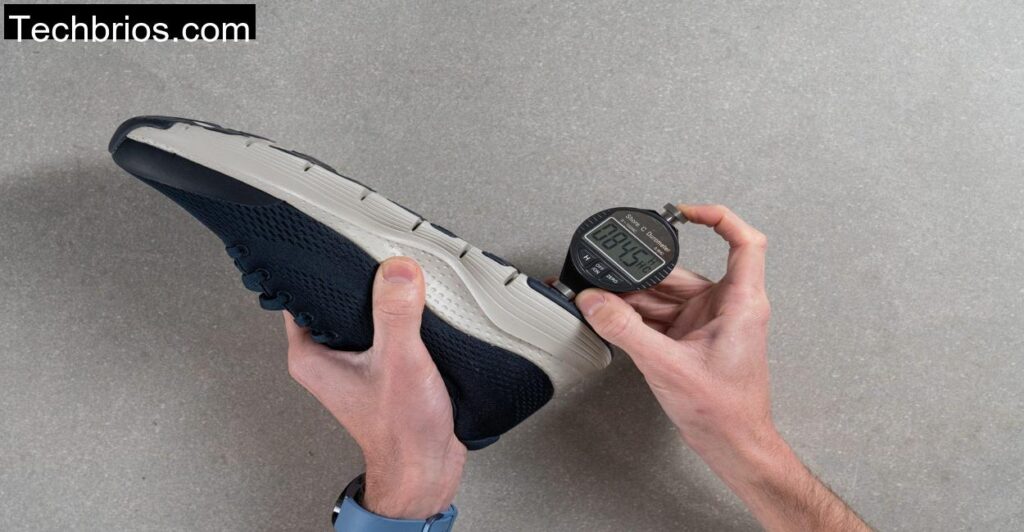
| Outsole Hardness | 84.5 HC |
| Outsole Durability Damage | 0.7 mm after abrasion test |
| Torsional Rigidity | 2 out of 5 |
| Heel Counter Stiffness | 3 out of 5 |
| Machine Washable | Yes |
| Removable Insole | Yes |
Walking the Turf: Cushioning & Support
The most significant feature of the Skechers Arch Fit is its podiatrist-certified arch support system. The moment I stepped onto the turf at Green Park, I felt the difference. The insole cradled my arch without being intrusive. Unlike some orthotic-style shoes that feel too rigid, the Arch Fit strikes a delicate balance between structure and comfort.
The cushioning is just phenomenal. Walking on the grassy outfield felt like floating on a marshmallow cloud. The heel stack of 40mm is among the highest in walking shoes, and it shows. Every heel strike was met with soft, forgiving foam that absorbed shock brilliantly. This is particularly helpful for folks who spend long hours on their feet, like nurses, retail workers, or active travelers.
Even after 15 miles, the shoe didn’t lose its bounce. My knees and lower back felt noticeably better compared to other shoes I’ve tested. The energy return isn’t as lively as a performance running shoe, but the grounded, stable feel is exactly what a walking shoe should offer.
Transitioning to Concrete: Traction and Stability
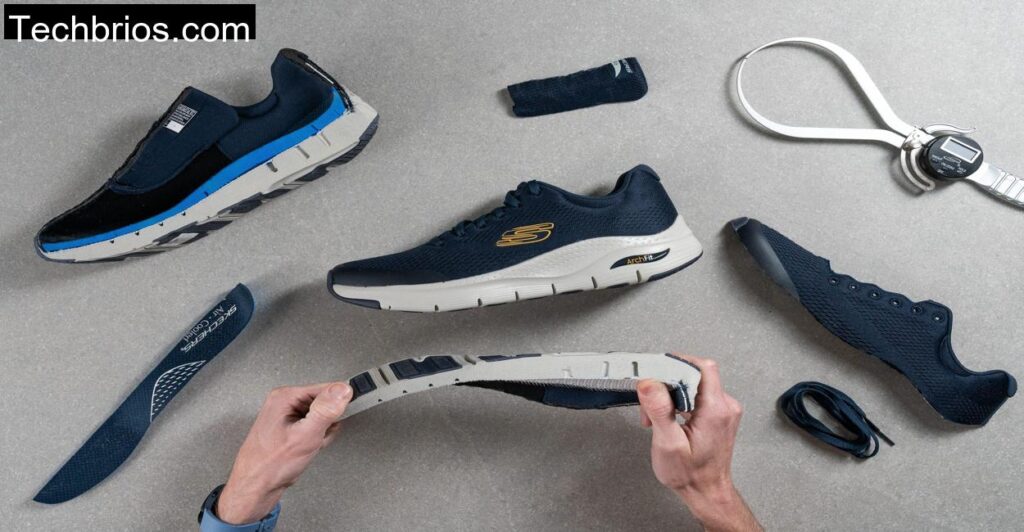
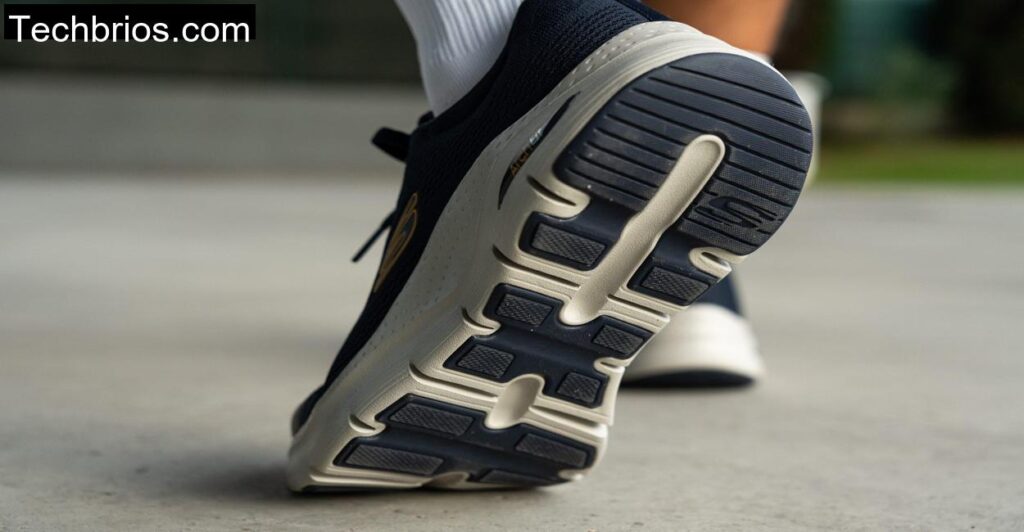
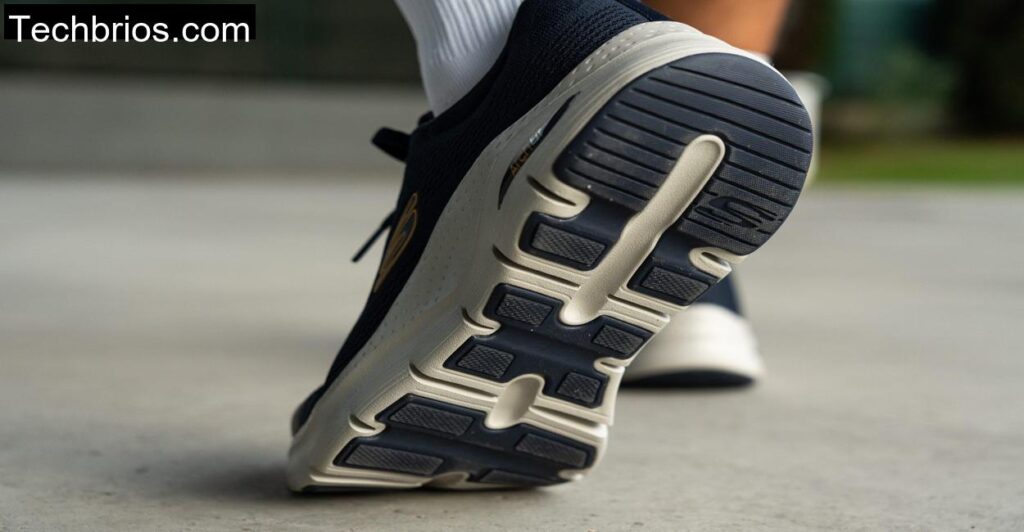
After a few rounds on the turf, I moved to the concrete track that circles the stadium. This segment was crucial for testing traction and stability. The first thing I noticed was the shoe’s segmented rubber outsole, which provides grip in strategic areas while keeping the overall weight low.
However, traction on wet concrete was not the Arch Fit’s strong suit. During a brief walk over a dew-kissed section of the track, I felt subtle slippage. The heel traction score of 0.36 confirmed this observation. While it’s perfectly fine on dry surfaces, caution is advised on slick pavements.
Stability, on the other hand, was excellent. The wide base, measuring 115.3 mm in the forefoot and 93.4 mm in the heel, kept my foot centered even during quick turns and uneven surfaces. The midsole, though soft on top, is firmer at the bottom, which added to the shoe’s lateral stability.
Even when I detoured to the boulder-laden area behind the pavilion, the shoe never once felt wobbly.
Breathability and Heat Management
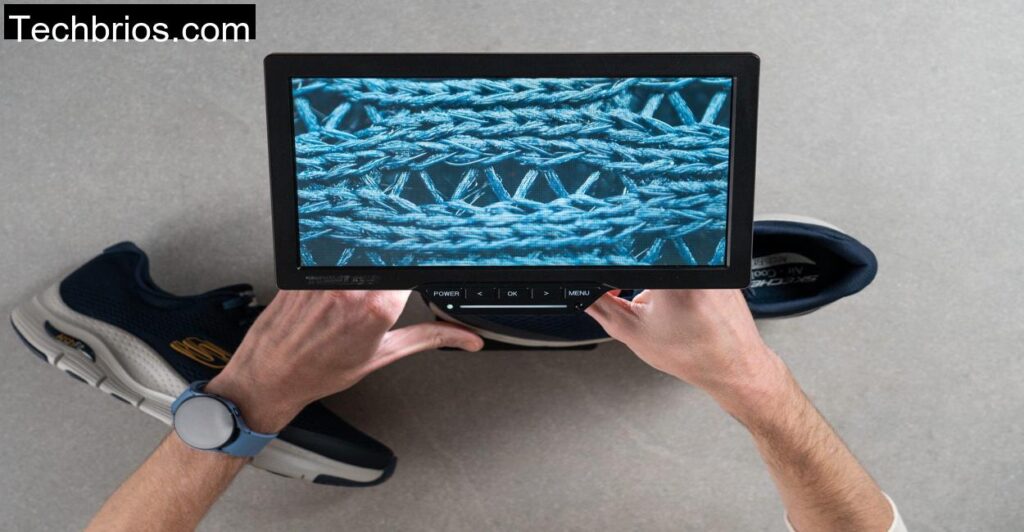
Wearing these shoes for seven hours in moderate heat was a great way to test their breathability. The mesh upper allowed for decent air circulation, rated at 4 out of 5 in lab tests. However, the plush internal padding did trap some heat over time.
I’d say the Arch Fit is ideal for temperatures ranging between 10°C to 20°C (50°F to 68°F). Anything beyond that, and your feet might start feeling a bit warm. The absence of gussets on the tongue did help with occasional airflow, especially when I loosened the laces slightly.
Durability: The Long Game
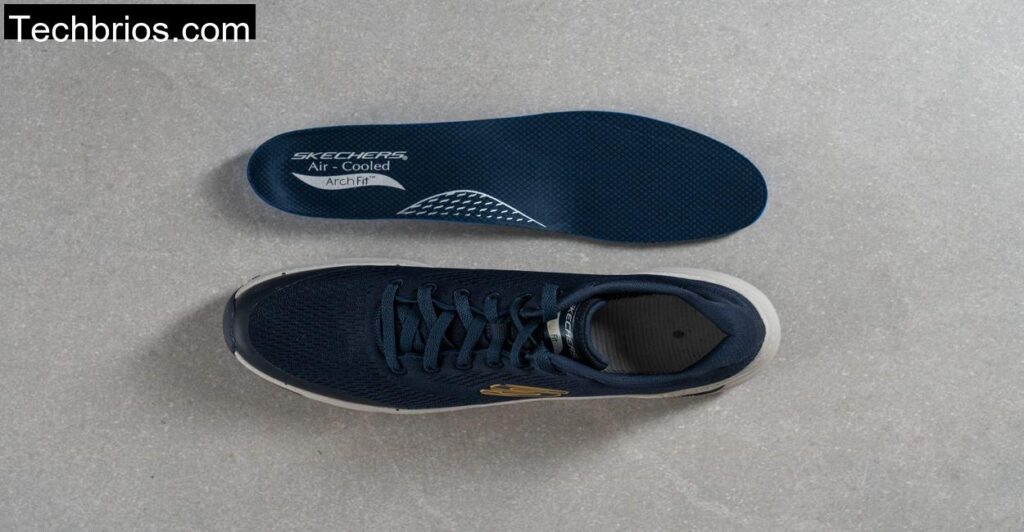
Five months of wear, combined with a Dremel test, gave us solid data on durability. The toebox held up better than expected. Even after drilling with sandpaper at 5K RPMs, it didn’t tear through completely. A score of 3 out of 5 for toebox durability is commendable for a mesh shoe.
The heel padding was less impressive, showing signs of wear within weeks. However, the rubber outsole was a pleasant surprise. With a hardness of 84.5 HC and only 0.7 mm of damage after a 22-second abrasion test, this outsole is built to last.
After the Final Lap: Overall Comfort and Usability
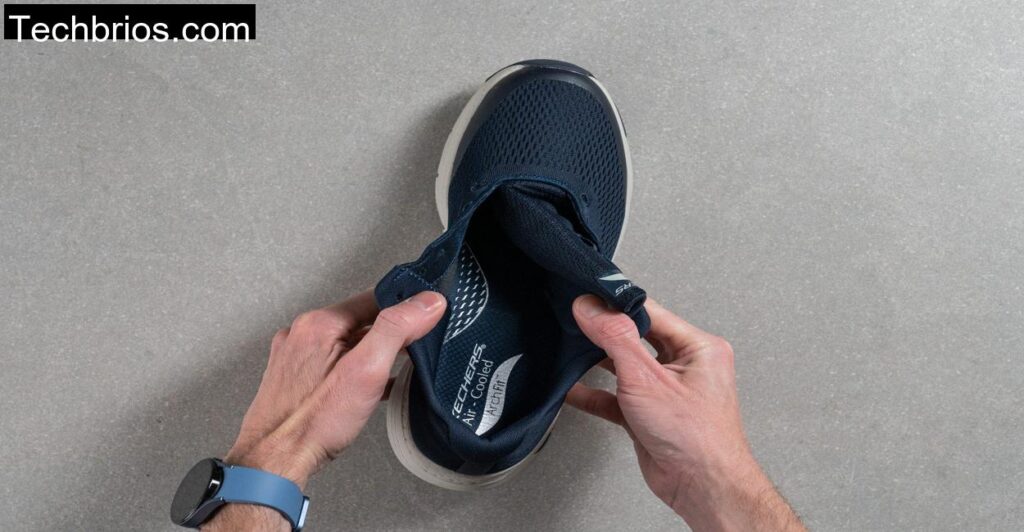
As I sat on the grassy incline near the pavilion after my final lap, I took the shoes off and wiggled my toes. No blisters, no soreness, no fatigue. That’s the real victory for a walking shoe. The Skechers Arch Fit may not win any fashion awards or trail-running competitions, but for the daily walker, it’s a game-changer.
The plush insole is arguably one of the best stock insoles I’ve experienced. It’s thick, contoured, and incredibly supportive. You can replace it, sure, but why would you?
Final Thoughts: Who Should Buy This Shoe
If you have flat feet, overpronation, or simply need a reliable everyday walker, the Skechers Arch Fit is tailor-made for you. It excels in comfort, arch support, and durability. However, if you frequently walk in wet conditions or need something more breathable for hot climates, you might want to look elsewhere.
For the price point, around ₹10,440, the value proposition is unbeatable. Testing it in a real-world setting like Green Park Stadium only confirmed what lab results have suggested: this shoe is in the top tier of walking footwear.
So, would I buy another pair? Absolutely. And next time, I might just take them for a stroll through the alleys of old Kanpur or the ghats of Banaras. Because when your feet are happy, the journey becomes the destination.


