

There’s something poetic about testing a minimalist shoe in a minimalist environment. When I decided to field-test the Lems Primal 2, I knew that the Atacama Desert in northern Chile was the ultimate proving ground. The Atacama is one of the driest places on Earth, with some regions not seeing rainfall for decades. Its terrain is a cocktail of salt flats, jagged rocks, sand dunes, and ancient lava flows. I couldn’t think of a better place to see what the Primal 2 was made of.
From the moment I laced them up in San Pedro de Atacama, I knew I was stepping into something different. Lems touts the Primal 2 as a minimalist shoe that offers just enough protection while encouraging a natural gait. But how would this translate to 50 kilometers of trekking under the scorching desert sun? That’s what I set out to discover.
First Impressions: Light as Air, Bold in Philosophy
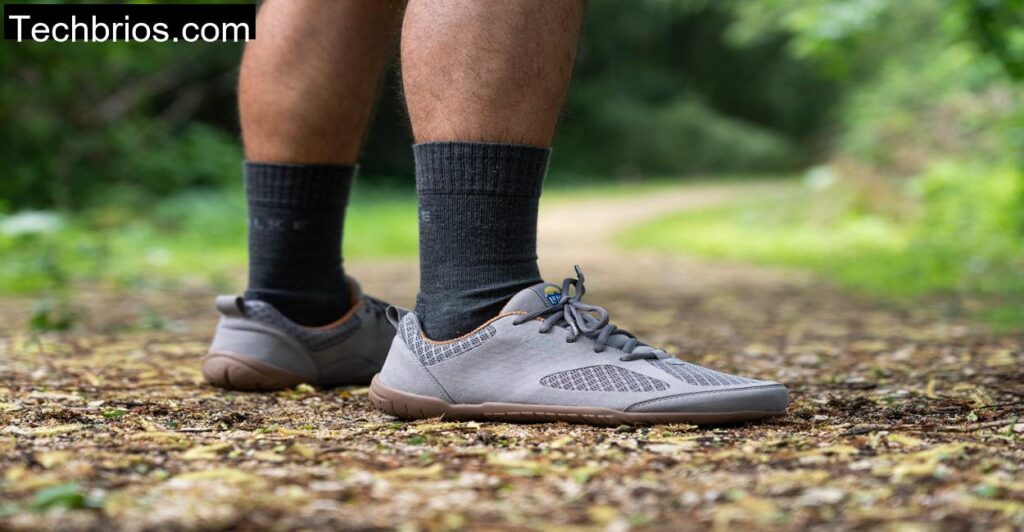
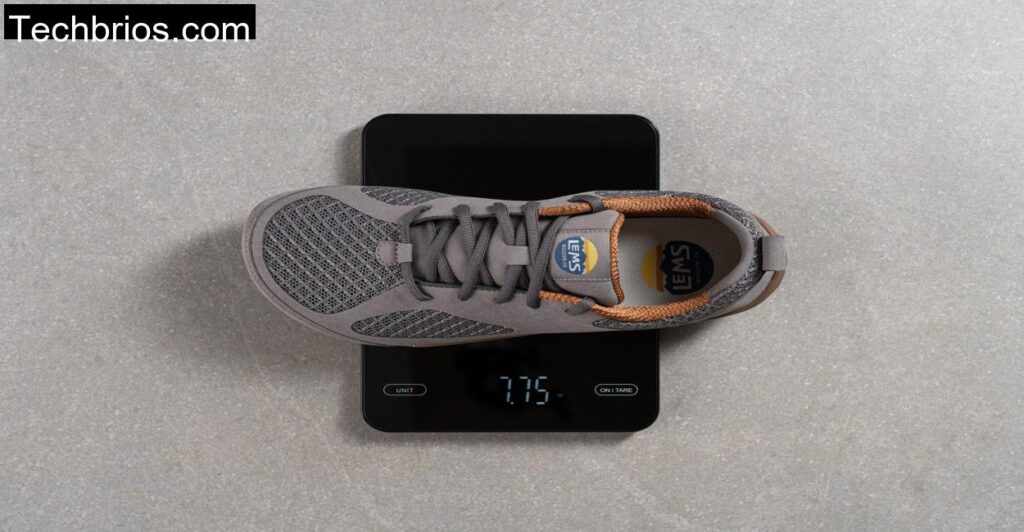
Fresh out of the box, the Lems Primal 2 is almost shockingly light. At just 7.8 oz (220g), it feels more like a slipper than a technical walking shoe. The mesh upper is breathable and airy, and the toebox is wide, like, really wide. My toes immediately spread out with a sigh of relief, something I didn’t realize they needed.
Here’s a quick look at the specifications:
To make sure everything is correct, we use technical details straight from Lems official websites.
| Feature | Specification |
|---|---|
| Weight | 7.8 oz (220g) |
| Heel Stack Height | 14.3 mm |
| Forefoot Stack Height | 14.0 mm |
| Drop | 0.3 mm |
| Toebox Width | 90.7 mm |
| Outsole Thickness | 7.0 mm |
| Insole Thickness | 4.0 mm |
| Flexibility | 7.2N |
| Breathability Score | 5/5 |
| Torsional Rigidity | 1/5 |
| Heel Counter Stiffness | 2/5 |
| Outsole Hardness | 85.0 HC |
| Toebox Durability | 2/5 |
| Heel Padding Durability | 5/5 |
| Closure | Laces |
| Material | Mesh |
| Vegan | Yes |
| Removable Insole | Yes |
| Tongue Padding | 10.4 mm |
| Tongue Gusset Type | None |
| Heel Tab | Finger loop |
On the Move: Ground Feel vs Protection
The first leg of my journey through the Atacama took me across Valle de la Luna, or Moon Valley, a landscape that lives up to its name. The terrain here is a mix of salt-crusted rock, sandy paths, and hard-packed earth. The Primal 2 performed admirably in terms of ground contact. I could feel every contour beneath me, which made for a very engaging walking experience.
However, that same sensitivity turned into a double-edged sword on more jagged terrain. While the 14.3 mm of heel cushioning is more than you’d find in a true barefoot shoe, it’s still quite minimal. I found myself stepping more deliberately, scanning the ground for sharp rocks or uneven footing. It slowed me down, but also made me more mindful of my walking mechanics. My stride adjusted naturally to a midfoot strike, and I felt more connected to the environment.
Breathability in Brutal Heat
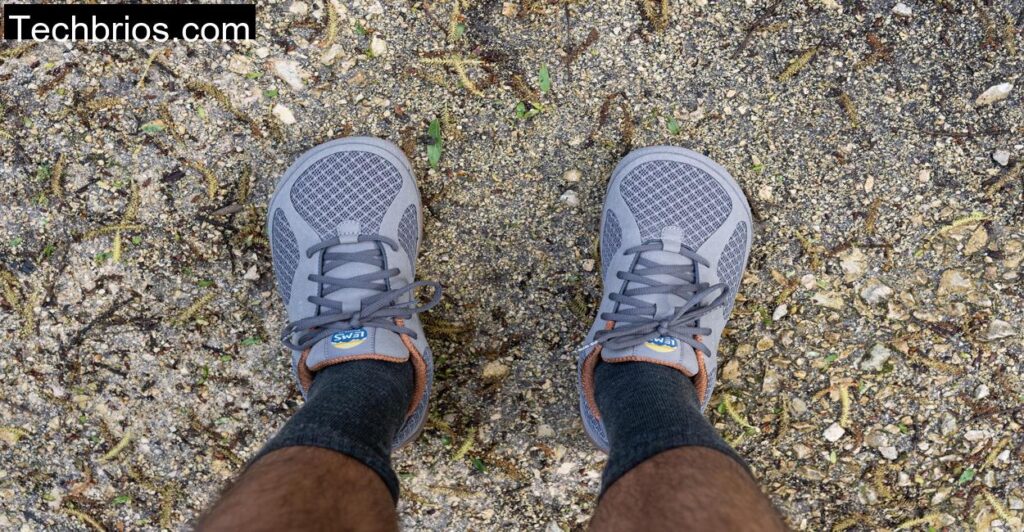
Temperatures in the Atacama can reach upwards of 35°C (95°F) during the day, and the high altitude only intensifies the sun’s radiation. This is where the Primal 2’s breathability truly shined. The thin mesh upper allowed for excellent airflow, and my feet stayed cool despite the harsh conditions. I never felt the dreaded swamp-foot effect, even after hours of continuous hiking.
In fact, I performed a little experiment: I wore a moisture-wicking sock on one foot and a regular cotton sock on the other. By the end of a 10 km trek, both feet were dry. That’s a testament to the shoe’s ventilation capabilities. The breathability score of 5/5 is not an exaggeration, it’s earned.
Flexibility and the Cinnamon Roll Test
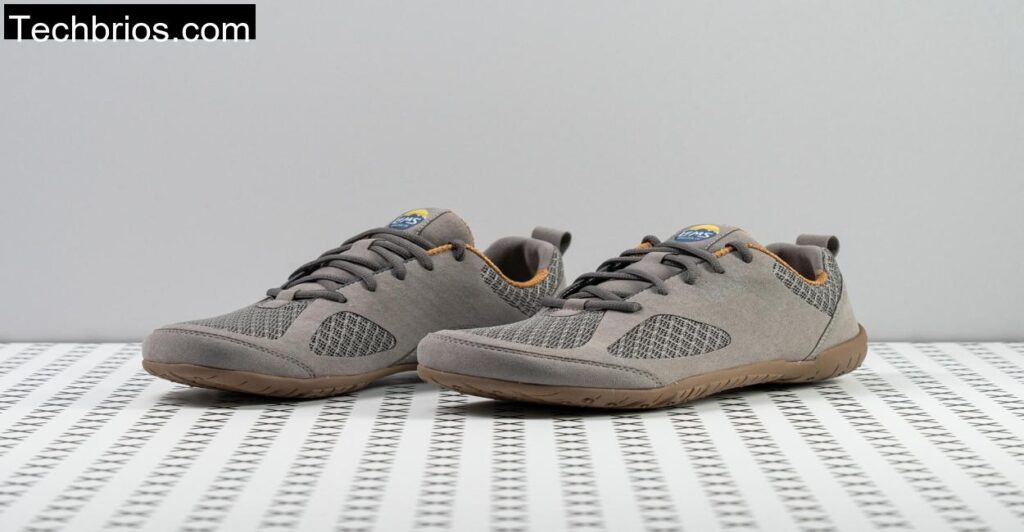
One of Lems’ marketing claims is that the Primal 2 is so flexible you can roll it up like a cinnamon roll. Naturally, I had to try this in the field. And yes, it’s true. The shoe bends and twists in every direction. While this is great for natural foot movement, it also means there’s virtually no torsional rigidity. On sloped salt flats, I noticed some side-to-side instability, especially when compared to more structured footwear.
The rounded sole edges, designed for smoother stride transitions, exacerbated this. On uneven ground, my foot would sometimes rock slightly instead of staying flat. It wasn’t dangerous, but it’s something to be aware of if you rely heavily on lateral stability.
Durability: Not Built for Battle
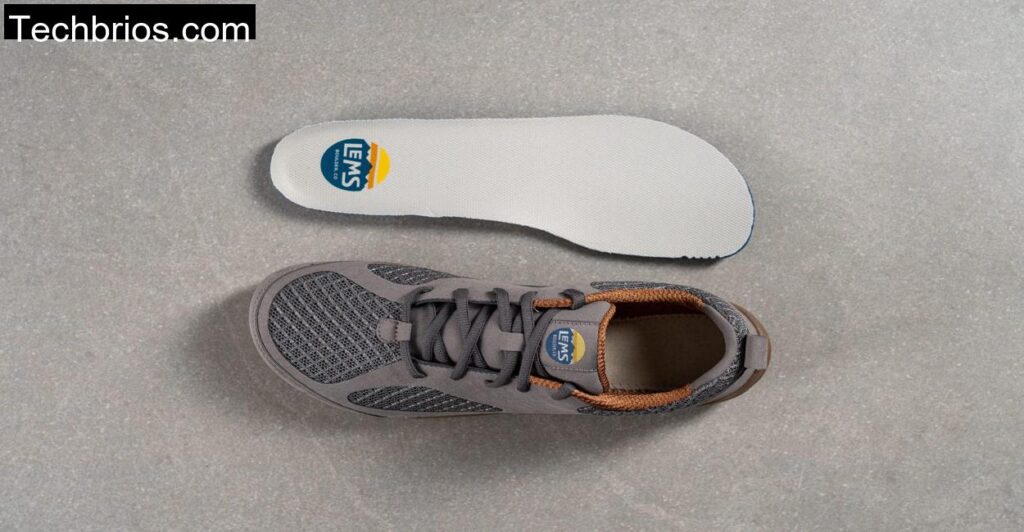
After five days in the desert, the Primal 2 showed signs of wear. The mesh on the toebox started to fray, especially around the big toe area. This aligns with the lab-tested durability score of 2/5 for the toebox. I was careful to avoid overly abrasive surfaces, but even normal wear seemed to challenge the mesh’s integrity.
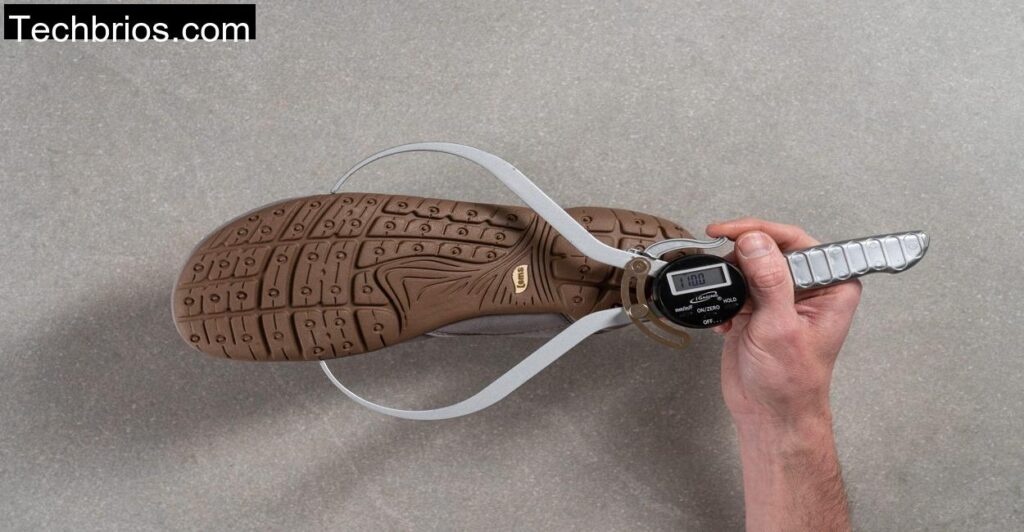
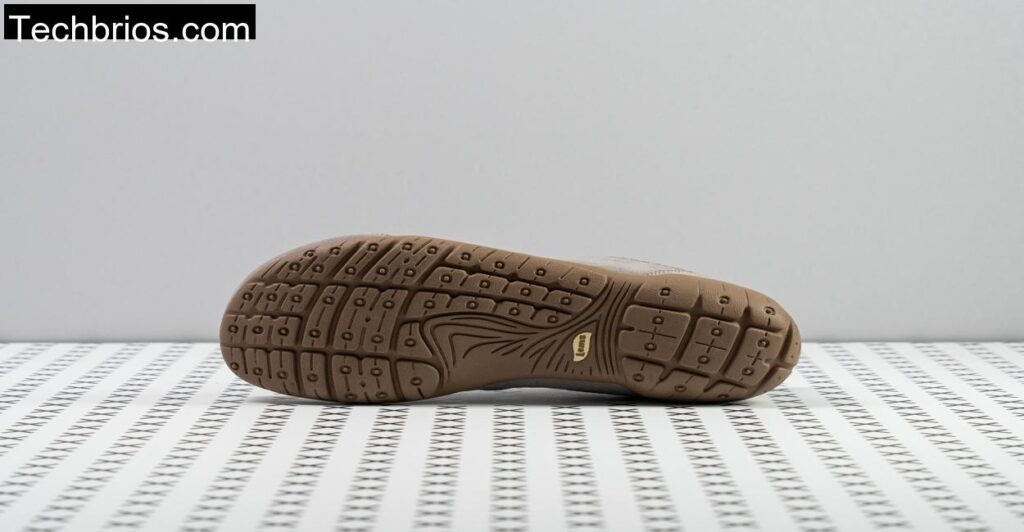
The outsole, however, was a pleasant surprise. Despite its minimal appearance, the rubber proved to be tough. The durometer reading of 85.0 HC and minimal 1.1 mm wear after extended use proved that this shoe doesn’t sacrifice sole durability for weight savings. It also provided solid traction on sandy and rocky surfaces alike. I never once slipped, even while descending steep trails.
Fit and Comfort Over Long Distances
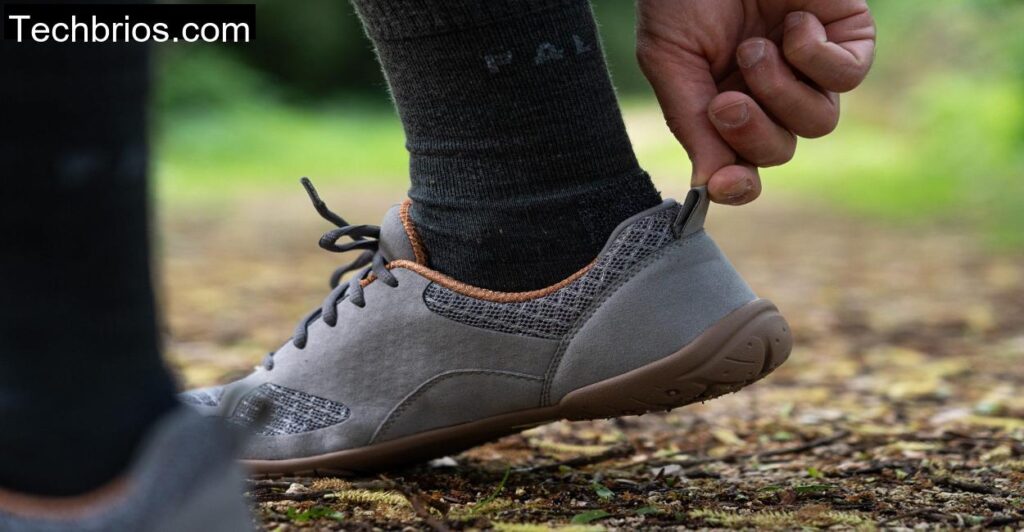
Sizing is another area where the Primal 2 demands attention. The shoe runs slightly small, and I had to size up by half. Once I found the right fit, the wide toebox was a revelation. Over a 20 km day through the Valley of Death, my feet remained blister-free. The roomy forefoot allowed my toes to spread naturally, which reduced fatigue and improved balance.
But the lack of arch support might be a dealbreaker for some. This is not a shoe for someone looking for structured comfort. It’s raw, it’s minimal, and it puts the onus on your own foot strength. For me, that was a welcome challenge. I could feel my intrinsic foot muscles working in ways that they just don’t in traditional footwear.
A Word on Zero-Drop Living
The Primal 2 features a near-zero drop of 0.3 mm. For those unfamiliar, this means your heel and forefoot are almost at the same height. It encourages a more natural, midfoot strike and can help improve posture and gait mechanics over time. But be warned: transitioning to zero-drop shoes requires patience.
I’ve worn zero-drop shoes before, so the adjustment wasn’t too brutal. But if you’re new to this world, start slow. The Atacama was not the place to push limits without preparation. I took rest days and alternated with more cushioned shoes to give my calves and Achilles tendons time to recover. And yes, I did bring along a pair of toe spacers for nighttime recovery.
Final Thoughts: Is It Worth the Hype?
The Lems Primal 2 is not for everyone. It’s not the most durable, and it certainly doesn’t offer the plush comfort of a traditional walking shoe. But for those seeking a minimalist experience with just enough cushioning to prevent injury, it’s a compelling choice.
In the unforgiving environment of the Atacama Desert, it performed admirably. Its breathability, flexibility, and natural fit made for an engaging and grounded walking experience. I emerged with stronger feet, greater awareness of my stride, and a deeper appreciation for minimalist design.
Would I recommend this shoe? Absolutely, but only to those who understand what they’re getting into. The Primal 2 is not a shoe you wear absentmindedly. It demands your attention, your respect, and your adaptation. But if you’re willing to meet it halfway, it offers something that few other shoes can: a truly natural connection to the world beneath your feet.


