

As a frequent trekker and shoe reviewer, I’ve always believed that the best way to test a shoe is to take it out of the lab and onto the trail. So when I got my hands (or rather, feet) on the On Cloud 5 Waterproof, I knew Kareri Lake in Himachal Pradesh was the ultimate proving ground. Nestled in the Dhauladhar range at about 9,650 feet, the Kareri Lake trek offers a mix of mud, gravel, wet grass, and boulder hopping, all perfect conditions to evaluate a waterproof walking shoe.
The On Cloud 5 Waterproof is marketed as a lightweight, waterproof everyday shoe, but I wanted to see how it would fare on an actual Himalayan trail. Could it truly keep my feet dry, supported, and blister-free through changing terrain and unpredictable weather? Let’s dive into the gritty details.
Technical Specifications
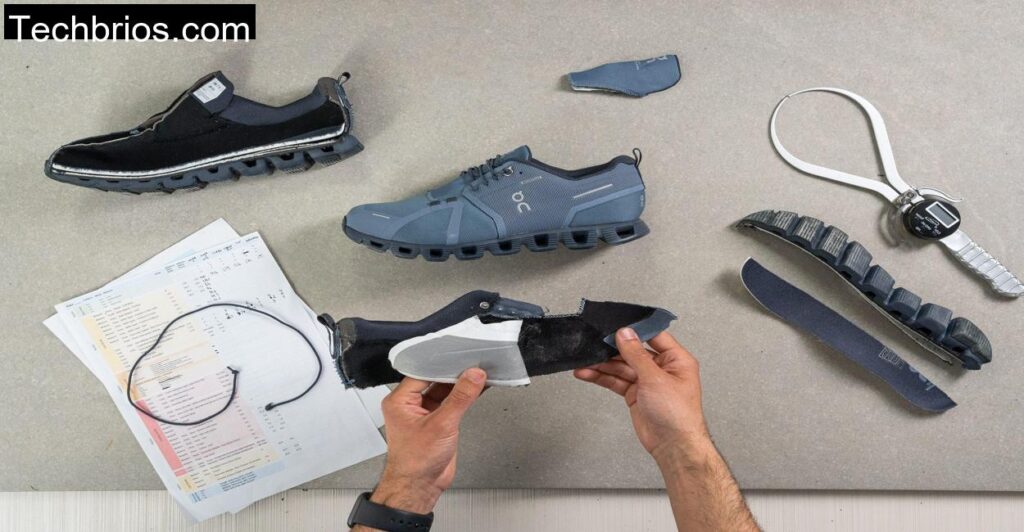
To make sure everything is correct, we use technical details straight from On’s official websites.
| Feature | Specification |
|---|---|
| Weight | 10.2 oz / 288g |
| Drop | 6.5 mm |
| Heel Stack Height | 28.9 mm |
| Forefoot Stack Height | 22.4 mm |
| Midsole Softness | 30.4 HA |
| Flexibility (30° Bend Force) | 20.2 N |
| Outsole Thickness | 3.3 mm |
| Outsole Hardness | 84.0 HC |
| Insole Thickness | 4.7 mm |
| Upper Material | 90% Recycled Polyester |
| Waterproof Rating | Fully Waterproof Upper |
| Closure | Slip-on with Elastic Laces + Optional Regular Laces |
| Fit | Slightly Small, Medium to Narrow Width |
| Removable Insole | Yes |
| Reflective Elements | Yes |
The First Ascent: Fit and Comfort Out of the Box
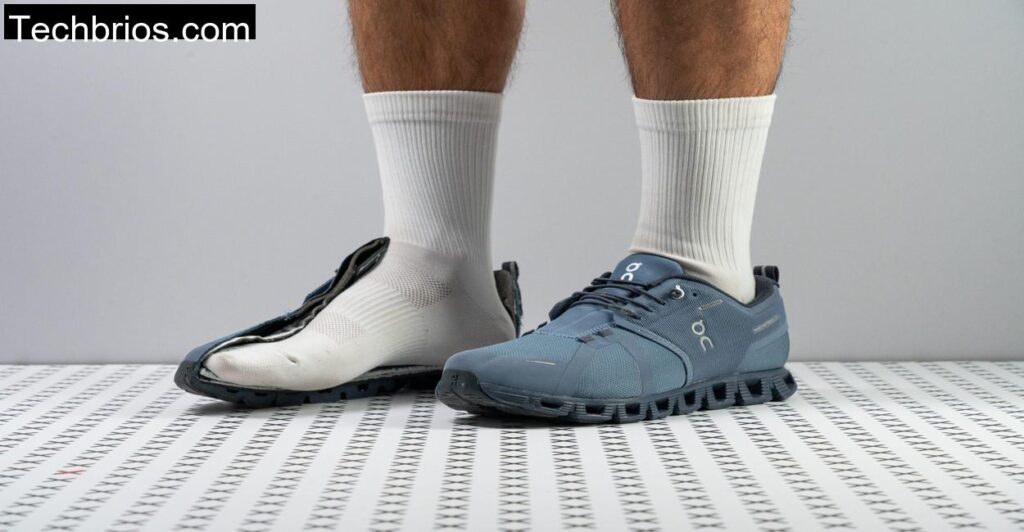
Unboxing the On Cloud 5 Waterproof, I was impressed by its sleek urban design. It didn’t scream “hiking shoe,” which I appreciated. The slip-on design with elastic laces felt snug and secure, and the finger-loop heel tab made it easy to put on. However, I quickly noticed the fit was on the narrow side, particularly in the forefoot area. I usually wear a US size 10, but I had to size up to 10.5 for a comfortable fit with hiking socks.
As I began my trek from Kareri village, the first few kilometers were gentle inclines through pine forests. The cushioning felt firm but supportive, and I could already tell the shoe offered excellent energy return. Thanks to the CloudTec midsole, each step felt springy, which helped reduce fatigue early on.
Weathering the Storm: Waterproofing and Breathability
Midway through the second day, the weather turned as expected. The clouds rolled in, and it began to rain, light at first, then a full-on downpour. This is where the On Cloud 5 Waterproof had to prove its mettle.
I stepped through puddles, muddy trails, and even crossed a few shallow streams. The shoes held up remarkably well. Not a drop of water seeped through the upper, and my feet remained dry throughout. The tightly woven upper fabric did its job, and the gusseted tongue prevented water from sneaking in at the top.
However, all that waterproofing came at a cost. The breathability was practically nonexistent. After hours of trekking in the rain, my feet weren’t wet from the outside, but they did feel clammy from sweat. This wasn’t a deal-breaker, but it did remind me to remove the insoles and dry the shoes thoroughly each night.

On Rocky Ground: Traction and Stability
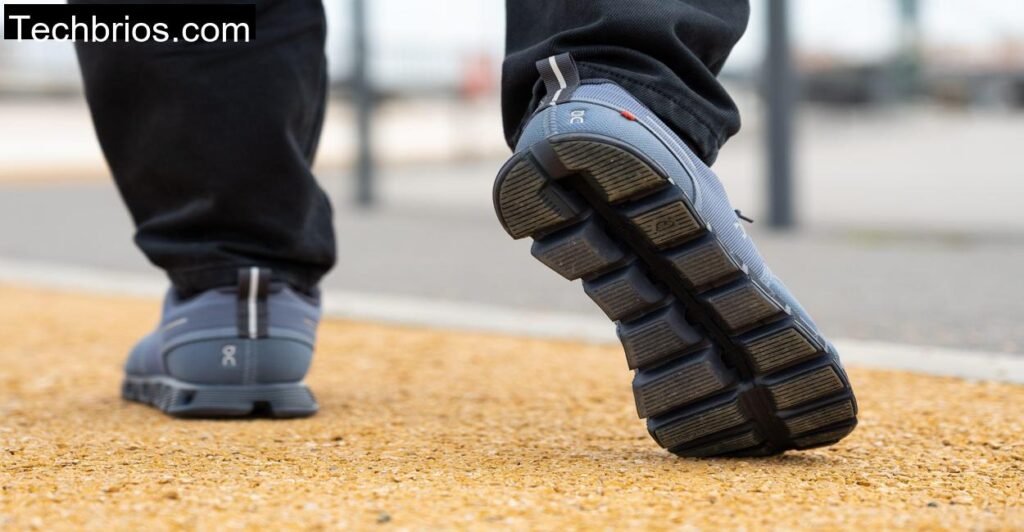
As the trail got steeper and more rugged nearing Kareri Lake, I paid close attention to how the shoes handled rocks and uneven surfaces. The outsole, though not fully rubberized, provided decent grip thanks to the thick rubber pods strategically placed underfoot.
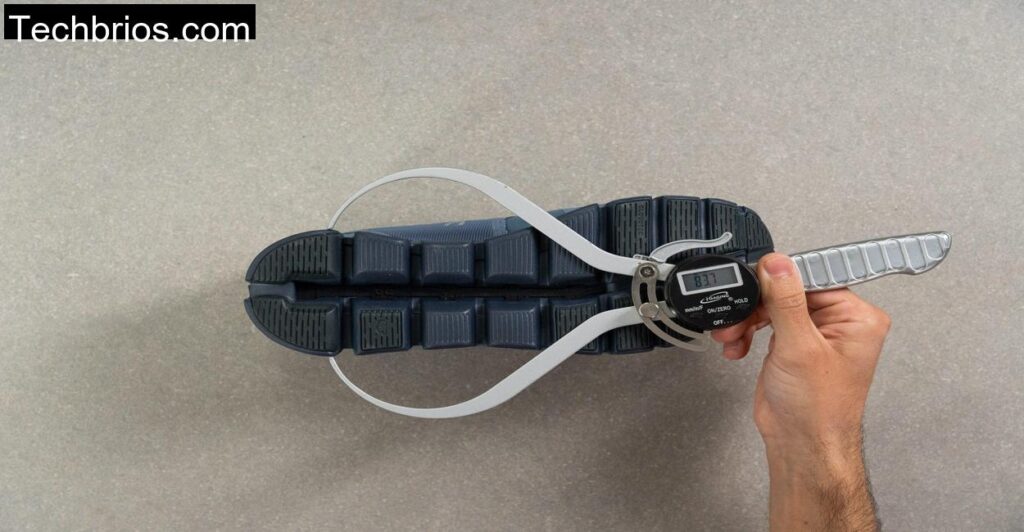
While ascending a particularly slippery section near the waterfall, I was impressed by the shoe’s torsional rigidity. It helped prevent ankle rolls and gave me the confidence to push on. The shoe’s low stack height and wide base added to the stability, especially in the heel, which measured 83.7 mm in width.
That said, the CloudTec pods on the outsole did collect some small stones and debris. It was a minor annoyance, especially when I had to stop and pick them out. This is a known issue with On shoes, and I wish it were addressed more aggressively in future models.
Cold Realities: Performance in Low Temperatures
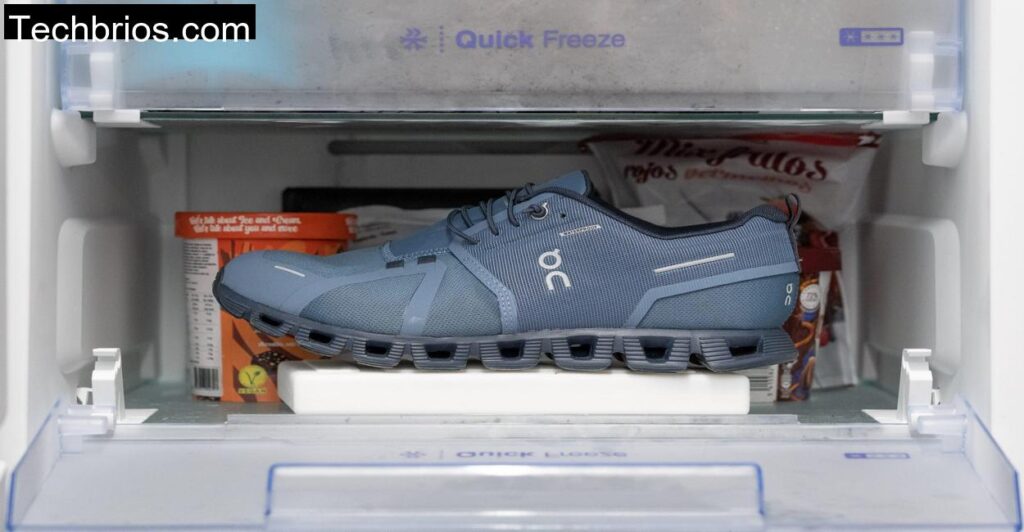
Night temperatures at Kareri Lake can drop significantly, especially during early mornings. To simulate harsher conditions, I wore the shoes after they had been left outside the tent overnight. Predictably, they stiffened up, with flexibility reducing by about 15%. However, this was still better than most walking shoes, which stiffen up by as much as 40% in cold conditions.
The midsole also became firmer, about 38% more than its room-temperature softness. Yet, despite this, the shoe remained wearable and didn’t impact my gait or comfort drastically. The firm cushioning actually helped during descents, offering just the right amount of impact absorption without feeling mushy.
All-Day Comfort: Support and Cushioning
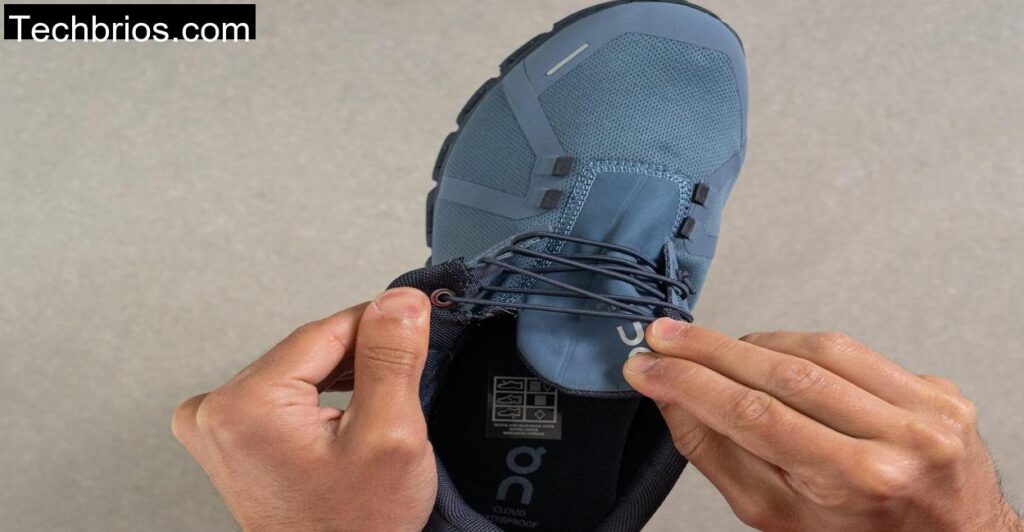
After nearly 20 km of trekking over two days, including steep climbs, slippery descents, and rocky paths, the On Cloud 5 Waterproof still felt good on my feet. This is largely due to the balanced cushioning. The midsole isn’t plush like a Hoka, but it offers just the right blend of softness and structure.
The heel and forefoot stack (28.9 mm and 22.4 mm respectively) provided enough foam to protect from impact while still offering ground feel, something I value on technical trails. The insole, though slightly thinner than average, contributed to the overall comfort, and the padded tongue and collar prevented any hot spots or blisters.
On and Off with Ease: Entry and Exit
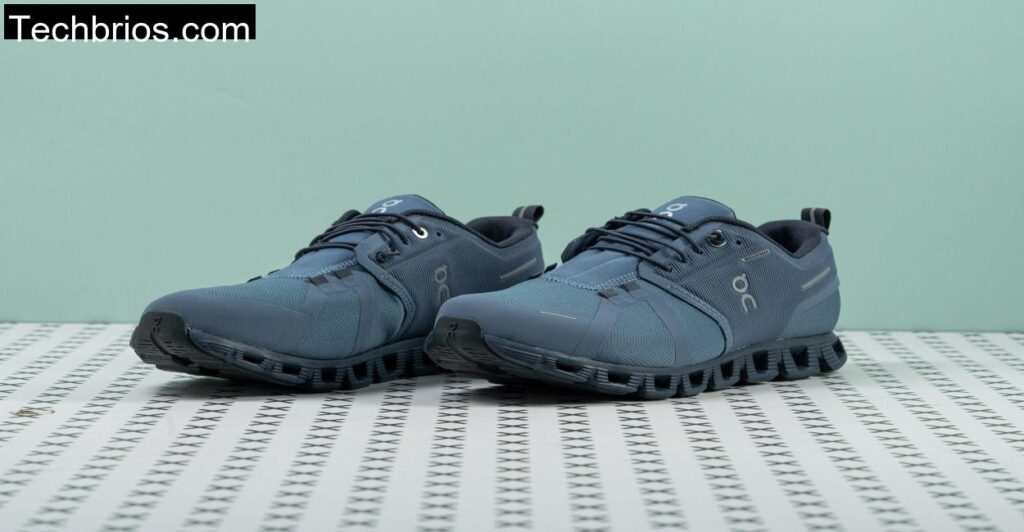
One of my favorite features of the On Cloud 5 Waterproof is how easy it is to slip on and off. After a long day of trekking, the last thing you want to do is wrestle with your shoes. The elastic laces and finger loop make removing the shoes effortless. Yet, once on, they feel secure with no heel slippage.
The package also includes regular laces if you prefer a more traditional fit. I stuck with the elastic ones for the trek and had no issues with fit or security.
Style Meets Function: Aesthetic Appeal
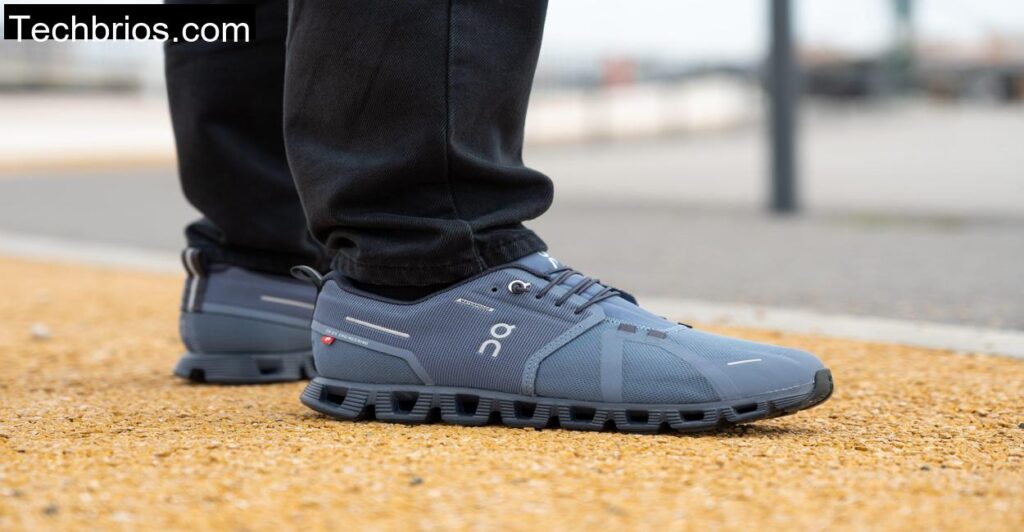
I received more than a few compliments during the journey, both from fellow trekkers and locals. The shoes look sharp and clean, even after trudging through mud. Their minimalist design sets them apart from typical hiking shoes, making them versatile enough to wear in urban settings too.
The reflective elements are a bonus for those early morning starts or late descents. They catch the light well and enhance visibility without looking too sporty.
Sustainability and Durability
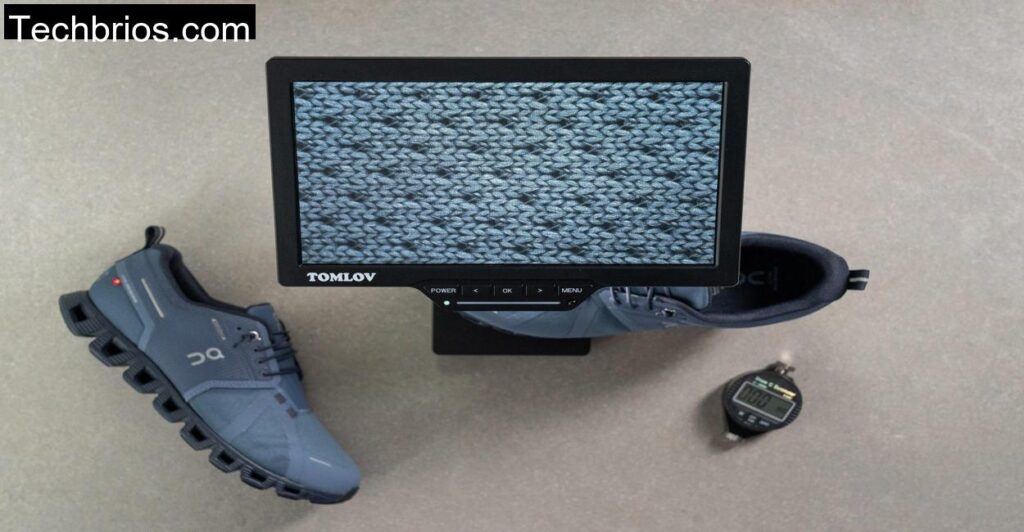
It’s worth noting that the On Cloud 5 Waterproof is made using 40% recycled materials, with the upper being 90% recycled polyester. This is a commendable step toward sustainability in footwear.
Durability-wise, the rubber pods on the outsole are thicker and harder than average, which should extend their lifespan. After the trek, I noticed only minimal wear on the outsole, and the upper remained intact without any visible signs of damage.
Final Thoughts: Is It Trail-Worthy?
The On Cloud 5 Waterproof might not be marketed as a hardcore hiking shoe, but it proved itself on the Kareri Lake trek. It’s a great option for those who want a lightweight, stylish shoe that can handle wet conditions and moderate trails without compromising on comfort.
Would I use it for a multi-day trek with rough terrain and heavy loads? Probably not. But for day hikes, travel, and urban adventures in unpredictable weather, it’s a winner. The only caveats are the narrow fit and poor breathability, but these can be managed with the right sizing and drying routine.
Kareri Lake tested, mountain approved, this is one shoe that lives up to its waterproof promise while keeping you light on your feet and stylish on the trail.


